 How-to
How to Maintain Muscle on GLP-1 Medication?
Last Updated: November 14, 2026
Quick Summary
To maintain muscle glp-1 treatment requires two habits: eating enough protein at every meal and doing strength training two to three times per week. Lower food intake and reduced activity can cause muscle loss, so protein and resistance exercise work together to protect lean mass during weight loss.
- Set a daily protein target and build every meal around a protein food.
- Choose easy protein options like eggs, Greek yogurt, fish, poultry, tofu, or cottage cheese.
- Keep a protein shake ready for days when eating feels difficult.
- Train major muscle groups two to three times per week, starting with simple home exercises.
- Track reps and effort, and talk with your healthcare provider if strength drops.
Table of Contents
- Why GLP-1 Medication Can Lead to Muscle Loss
- Step 1: Set a Daily Protein Target and Build Meals Around It
- Step 2: Start Strength Training and Track Progress
- Frequently Asked Questions
Why GLP-1 Medication Can Lead to Muscle Loss
GLP-1 medications help many people lose weight by reducing appetite. But weight loss does not always come from fat alone. Some of the lost weight can be lean muscle, and losing muscle can affect strength and daily function. This is why learning how to maintain muscle glp-1 treatment matters from the start.
Lower food intake is one common cause. When you eat less overall, your body may not get enough protein to rebuild and keep muscle. Activity levels can also drop during treatment, which lets muscle weaken further.
Step 1: Set a Daily Protein Target and Build Meals Around It
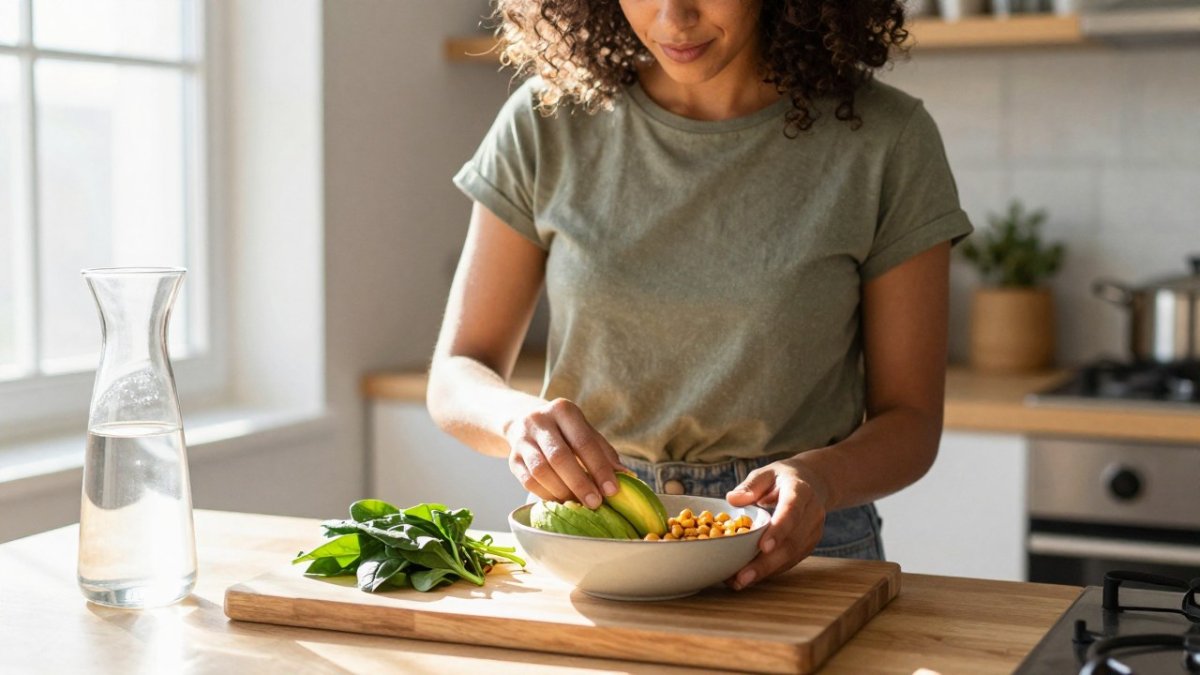
Protein is the nutrient that matters most for keeping muscle. Set a daily protein goal first, then plan your meals around it to maintain muscle glp-1 users rely on.
- Aim for protein at every meal and snack
- Start meals with the protein food, then add vegetables and grains
- Choose easy options like eggs, Greek yogurt, fish, poultry, tofu, or cottage cheese
- Keep a protein shake or ready snack for days when eating feels hard
Since appetite may be low, small portions count. Eat protein first when you feel hungry, and drink fluids between meals rather than with them.
For specific daily amounts and how to personalize them, see Protein Intake for GLP-1 Users: How Much You Need Daily. (Source: resistance training)
Keeping muscle on GLP-1 medication starts with protein at every meal, and these everyday options make it easier to hit your target.
| Protein option | Why it helps | Note |
|---|---|---|
| Eggs | Easy protein source | Works well when appetite is low |
| Greek yogurt | Quick protein at any meal | Choose a ready snack |
| Fish and poultry | Core protein for main meals | Start meals with protein |
| Tofu and cottage cheese | Plant or dairy protein option | Good for small portions |
| Protein shake | Backup for hard eating days | Keep one ready |
Step 2: Start Strength Training and Track Progress
Protein supports muscle, but strength training gives your body a reason to keep it. Begin with simple exercises you can do at home.
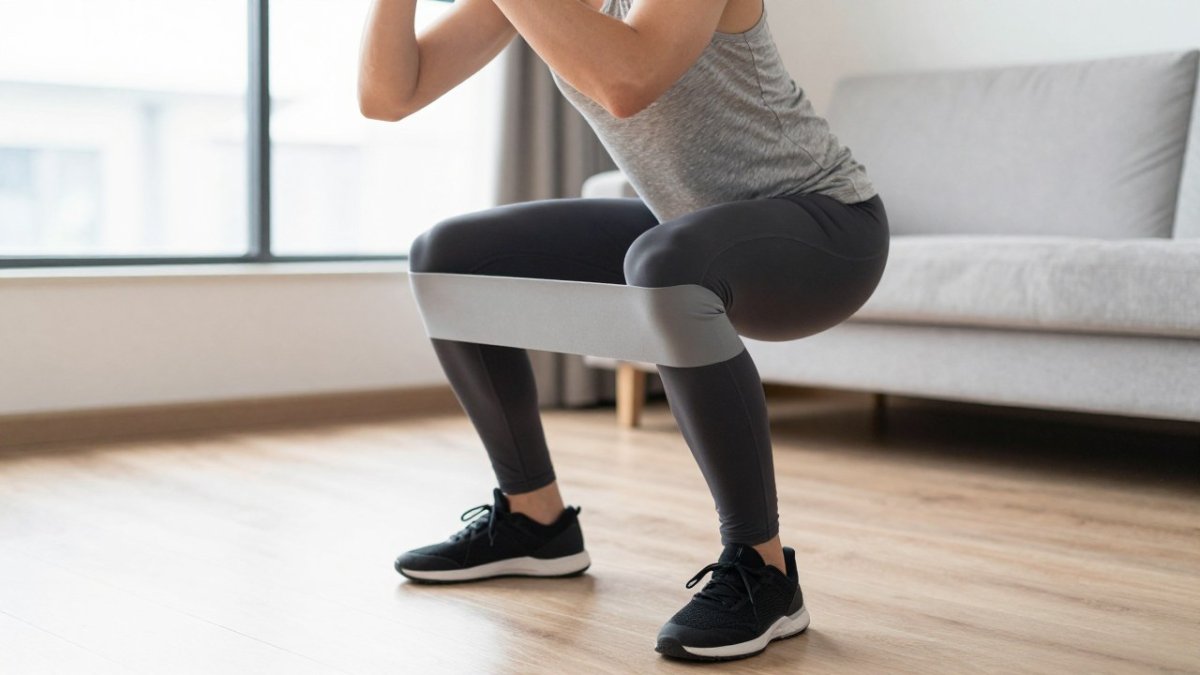
- Do bodyweight squats, wall push-ups, and standing rows with a resistance band
- Train major muscle groups two to three times per week (the WHO)
- Add a little more difficulty each week, such as more reps or a heavier band
- Note your reps and how each session feels so you can see progress
Watch for signs of muscle or strength loss, like feeling weaker when climbing stairs or standing up from a chair. If you notice them, talk with your healthcare provider about your plan.
Keeping muscle while using GLP-1 medication takes steady protein, regular strength work, and a plan you can stick with. Start with one protein target and two short strength sessions this week, then build from there.
Frequently Asked Questions
How much protein should you eat on a GLP-1?
Protein needs on a GLP-1 medication depend on body size, age, activity level and medical history, so the right target should be set with a doctor or registered dietitian. Many nutrition guidance sources suggest prioritizing protein at each meal, since appetite can drop and make it easy to fall short. Practical starting points include a protein source at every meal, such as eggs, Greek yogurt, fish, poultry, tofu or lentils. Eating protein first at meals and keeping easy snacks like cottage cheese on hand can help when portions feel small. Tracking intake for a week often shows where the gaps are.
What strength exercises help maintain muscle on GLP-1?
Resistance training is the most direct way to signal your body to keep muscle while losing weight. Beginners can start with two to three sessions per week using bodyweight squats, wall or incline push-ups, glute bridges, rows with a resistance band and seated leg raises. Aim for two to three sets of eight to twelve repetitions, and increase difficulty gradually by adding reps, slowing the lowering phase or using heavier bands or dumbbells. Pair training with a walk on other days. Keep a simple log of exercises and reps so progress is visible over several weeks.
Should you take supplements to prevent muscle loss on GLP-1?
Food-first nutrition is the usual starting point, because whole foods supply protein along with other nutrients. Some people choose protein powder or a supplement when meals are hard to finish, but the choice should be discussed with your prescribing clinician, especially if you have kidney disease or take other medications. Supplements do not replace resistance training or a balanced diet. Ask about the product's testing and ingredients, and avoid products that promise fast or dramatic results.