 blog
7 Nutrition Apps for Weight Loss Tested for Accuracy
Last Updated: November 4, 2026
Quick Summary
The best nutrition app for weight loss is one with a food database you can verify, fast logging and goal-setting you can sustain, rather than the one with the cleanest interface. Free apps cover basic calorie and macro tracking well, but their food entries can be inaccurate, so check them against labels.
- Judge an app by whether its food entries match real labels and portions, not by interface design.
- Free tiers handle basic calorie and macro tracking, but advanced features usually need a subscription.
- Weigh calorie-dense foods such as nuts, cheese and oils, since these are the most often under-recorded.
- Be alert to disordered-eating signs, and pause tracking if you feel distress or restrictive thinking.
- Book a consultation with a qualified nutrition professional if you take medication or have a health condition.
Table of Contents
- Best Nutrition App for Weight Loss: How We Compared Them
- Best Food Tracking App Free: What You Get Without Paying
- Free Calorie Counter App Options and Where the Limits Are
- Food Database Accuracy and Real-World Logging Errors
- Macro Tracking, Micronutrients and Weight-Loss Outcomes
- Best App for Diet Plan Free: Matching Features to Your Goals
- Privacy, Disordered Eating Risks and Choosing a Safe Tool
- Booking a Nutrition Consultation to Set Your Plan
- Frequently Asked Questions
Best Nutrition App for Weight Loss: How We Compared Them
Choosing a nutrition app for weight loss is harder than it looks. Most apps promise accurate tracking, personalized targets and easy logging, yet many of those claims go untested. This guide covers the criteria that matter most when weight is the goal: how well the food data holds up, how easy it is to keep logging, and whether the app supports a plan you can sustain.
A nutrition app is a tool that records what you eat and drink, estimates the calories and nutrients in each item, and compares your totals against a daily target. Used well, it turns vague eating habits into specific numbers you can act on. Used poorly, it can encourage rigid rules and anxiety about every bite.
A useful comparison weighs four things: the size and accuracy of the food database, the speed of logging, the quality of goal-setting, and the cost of the features that matter. It also considers how an app handles privacy and whether it offers any safeguards for users who may be prone to disordered eating. A common mistake is choosing an app based on its interface alone. A clean design means little if the calorie figures behind it are wrong.
Best Food Tracking App Free: What You Get Without Paying
Free food tracking apps can do a lot. Most let you log meals, set a calorie target and track basic macronutrients such as protein, carbohydrates and fat. For many people trying to lose weight, that is enough to build awareness of portion sizes and eating patterns.
The limits usually show up in three places. First, advanced features like detailed micronutrient reports, meal planning and barcode scanning are often locked behind a subscription. Second, some free tiers limit how many custom foods or recipes you can save. Third, ongoing coaching or personalised plans typically cost extra. Read the free-tier terms carefully before you commit time to logging, since switching apps later may mean rebuilding your history.
A sensible approach is to start free, log consistently for a few weeks, and only pay for a feature once you can name the specific gap it fills.
Free Calorie Counter App Options and Where the Limits Are
A free calorie counter is the simplest entry point. It answers one question: roughly how much energy am I eating each day? For basic weight management, that question is often the most useful place to begin.
The trade-off is precision. Calorie counters rely on food entries that other users or the app company have added, and those entries vary in quality. A calorie figure for a homemade dish, a restaurant meal or a loosely measured portion can be well off the mark. Treat calorie totals as estimates, not exact measurements, and expect the number to drift over time.
Free counters also tend to offer fewer guardrails. If you find yourself checking the app several times a day or feeling distressed when a target is missed, that is a signal to step back, regardless of which tool you use.
Food Database Accuracy and Real-World Logging Errors
Database accuracy is where many apps quietly fail. Entries submitted by users can be duplicated, mislabelled or simply wrong. A search for "chicken breast" may return dozens of versions with very different calorie counts, and picking the wrong one can add a meaningful error to your daily total across weeks. The size of a database matters far less than whether you can verify the entry in front of you.
A practical way to judge an app is to run a short accuracy audit on your own meals rather than relying on marketing claims. Pick five foods you eat often, log them for a week, and check each entry against the packaging or a weighed portion. Errors tend to cluster in a few predictable places:
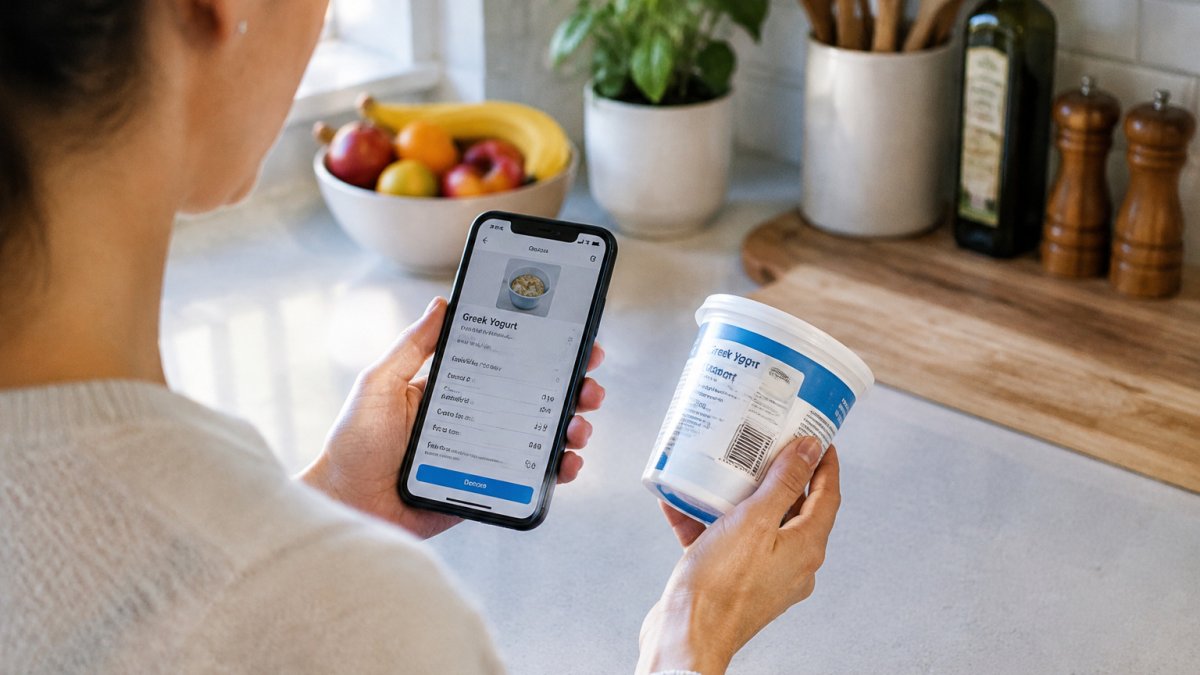
- Barcode scans. A scan is only as good as the label it pulls. Check that the app's entry matches the product's current label, because reformulated products and regional versions can differ. If the app shows a different serving size than the package, the calorie figure will be wrong even when the barcode matches.
- Restaurant and takeaway meals. Chain restaurant items are often entered by users from memory, and portion sizes vary by location. Treat a restaurant entry as a rough estimate and log the components separately when you can.
- Homemade and mixed dishes. A "homemade lasagna" entry can hide very different amounts of oil, cheese and meat. Build the recipe once in the app and reuse it, rather than picking a stranger's entry.
- Oils, sauces and drinks. These are the most commonly underestimated items. A tablespoon of oil is easy to pour as two, and dressings and sugary drinks add up quickly. Weigh or measure these rather than eyeballing.
- Loose portions. "One cup" of rice or "one banana" varies widely. Weighing calorie-dense foods such as nuts, cheese and oils is the single highest-value habit for reducing error.
A second, less obvious problem is database drift. Entries are added and edited over time, so a food you logged accurately last year may now point to a different user-submitted version. Re-verify your staple foods periodically, especially if your weight trend stalls without an obvious cause.
Watch out: a large database can feel reassuring while hiding low-quality entries, so prefer an app that lets you create and lock your own verified foods over one that simply returns more search results.
No app eliminates logging error entirely, but a database you can verify is worth more than a larger one you cannot. If you want to go further, compare your logged intake against a week of consistent weight change: a persistent mismatch between the two is a signal that your entries, not your metabolism, need a second look.
The article breaks down where logging errors most often occur, so readers can see which foods need extra care. (Source: the potential for apps to foster disordered eating behaviors)
| Food type | Common error | Fix |
|---|---|---|
| Barcode scans | Serving size differs from package | Check the entry against the label |
| Restaurant meals | Portions vary by location | Log components separately |
| Homemade dishes | Hidden oil, cheese and meat | Build the recipe once and reuse it |
| Oils, sauces, drinks | Underestimated, often eyeballed | Weigh or measure them |
| Loose portions | Rice, fruit and similar vary widely | Weigh calorie-dense foods such as nuts and cheese |
Macro Tracking, Micronutrients and Weight-Loss Outcomes
The more useful question is what the evidence actually supports, and where tracking helps versus where it just adds noise. No app feature causes weight loss on its own; sustainable habits and an overall energy deficit matter more, with tracking as a support tool.
Macros and satiety. Macronutrient tracking, which means monitoring protein, carbohydrates and fat, can help some people structure meals around fullness and muscle maintenance. Protein in particular is often discussed in weight-loss contexts because it can support fullness and help preserve lean tissue during a calorie deficit. A common pattern is to set a protein floor (often expressed as grams per kilogram of body weight) and treat it as a positive target to hit rather than a limit to avoid. Fat and carbohydrate distribution matters less for weight itself than for adherence: choose the split you can actually keep eating.
Micronutrients. Micronutrient tracking, covering vitamins and minerals, is more useful for spotting gaps than for managing weight directly. It can flag a diet that is consistently low in fibre, iron or calcium, which matters for long-term health regardless of the number on the scale. Fibre deserves particular attention because it supports fullness and gut health, and it is one of the nutrients most often under-recorded when people log only packaged foods.
Behavior change versus calorie logging. Calorie logging answers "how much am I eating?" Behavior-change support answers "what will help me keep doing this?" Features that can matter for long-term adherence include reminders, flexible weekly targets rather than rigid daily ones, and coaching or check-ins that help you interpret a stall. An app with a perfect food database but no adherence tools is a measuring instrument, not a plan.
What the evidence does and does not show. Be cautious about claims that any tracking approach guarantees weight loss. Outcomes depend on total intake, activity, sleep, medical factors and how sustainable the plan is. Apps are a support tool rather than a guarantee of results. A reasonable way to judge an app is whether it helps you sustain logging over time, not whether it offers the most nutrient fields.
Watch out: detailed micronutrient reports can create a false sense of precision, because food entries rarely capture every vitamin and mineral accurately, so use them to spot broad patterns rather than to chase daily targets.
If you are managing a health condition, are taking prescribed medication, or are going through a life stage such as perimenopause, the interpretation of these numbers matters more than the numbers themselves, and a qualified nutrition professional can help you decide which tracking approach, if any, is worth the effort.
Best App for Diet Plan Free: Matching Features to Your Goals
The right app depends on your goal. If you want quick calorie awareness, a simple free counter may be enough. If you are working on protein intake or a specific eating pattern, you will want an app that lets you set custom macro targets. If you are managing a health condition, you may need features that support clinical guidance or sharing data with your care team.
Ask three questions before choosing:
- Does it let me set the targets I actually need?
- Can I log quickly enough that I will keep doing it?
- Does the food data meet the accuracy standard I need?
A useful test is to trial the free version against a week of your real meals. If logging feels like a chore or the entries don't match your food, the app is not the right fit, however good it looks in marketing.
Privacy, Disordered Eating Risks and Choosing a Safe Tool
Food tracking data is sensitive. Entries can reveal health conditions, eating habits and body-related concerns, so it is worth checking how an app stores that information, whether it shares data with third parties, and how you can delete your account and records. Read the privacy policy rather than relying on the app store summary.
Tracking also carries psychological risk. For some people, counting calories and weighing food can intensify restrictive thinking, obsessive checking or guilt after eating. Warning signs include skipping meals to protect a number, feeling unable to eat foods that are not logged, or distress when the app is unavailable. If you notice these patterns, pause tracking and speak with a qualified health professional. Choosing a tool that lets you hide numbers, set flexible ranges or turn off streaks can make the experience less pressured.
A less restrictive approach to dieting is often more realistic over the long term. Tracking can be one part of that approach, but it should not become the whole of it.
Booking a Nutrition Consultation to Set Your Plan
An app can show you numbers, but it cannot interpret them in the context of your health, medications, activity level or history. If you are considering a weight-loss plan, especially if you are taking prescribed medication, managing a metabolic condition or going through a life stage such as perimenopause, a consultation with a qualified nutrition professional can help you decide which tracking approach, if any, suits you.
Anaise Standard offers practical, evidence-informed nutrition resources, and you can book a nutrition consultation to talk through what a practical plan might look like for your situation. Whatever tool you choose, use it to support informed decisions rather than to set rules you cannot sustain.
Frequently Asked Questions
What is the best nutrition app for weight loss?
The best choice depends on whether you prioritise database depth, a clean interface or free features. Compare apps on how accurately they log foods you actually eat, whether they show macronutrient and micronutrient totals, and how much of the core tracking is free. Test two or three options for a week before committing, and check the current pricing directly on each provider's website, since plans and features change.
Are nutrition tracking apps accurate?
Accuracy varies widely. Crowd-sourced food databases often contain duplicate or incorrect entries, and portion sizes are the most common source of error. Apps that use verified entries and let you weigh foods in grams tend to produce more reliable totals. Treat any app as a estimation tool rather than a precise measurement, and check entries against nutrition labels for foods you eat regularly.
Can a nutrition app help with weight management?
A nutrition app can help by making your intake visible, which supports awareness of portion sizes and patterns across the week. Consistent logging over several weeks is what produces useful insight. Apps alone do not change behaviour, so pairing tracking with a realistic eating pattern and professional guidance where needed tends to be more sustainable.
Do I need to count calories to manage my weight?
Not necessarily. Some people find calorie counting useful for a period to learn portion sizes, while others do well focusing on protein, fibre and whole foods. If you have a medical condition, take medication affecting appetite, or have a history of disordered eating, speak with a qualified healthcare professional before starting any calorie-focused plan.